Emergency Management
Operational Risk Metrics for EMS and Fire Dispatch Centers
May 10, 2026 · Russell J. Calloway
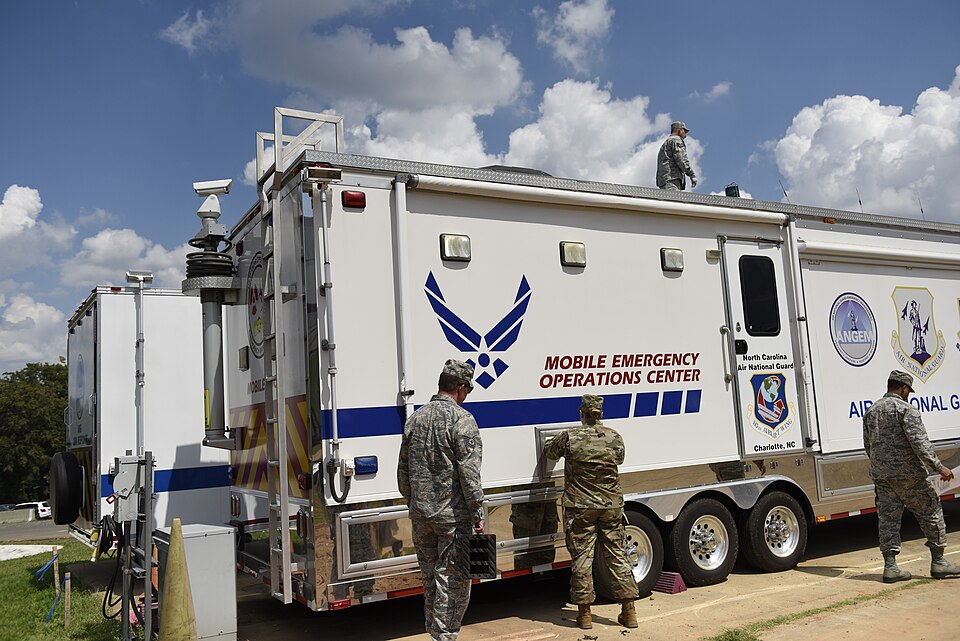
Emergency management is the center of Ember Safety Press coverage, tying together wildfire preparation, structure ignition science, and the operational reporting that helps communities respond faster and recover stronger. This category assembles analysis, policy perspectives, and practical guidance for responders, planners, and responsible property owners. Our focal points include risk identification, decision support for evacuations, and the integration of field data into protective actions. We present evidence-based insights that can inform training, equipment choices, and coordination across agencies.
Four core clusters anchor this space: (1) Incident decision-making and evacuations, (2) Protective actions for structures and landscapes, (3) Interagency coordination and communication during emergencies, and (4) After-action learnings and program improvements. Within these pillars you’ll find work on human factors in high-stress environments, policy implications for residential and public safety, and field-tested tactics that can reduce loss of life and property.
Readers can expect practical takeaways drawn from research, case reviews, and policy analysis. We address both urban and rural contexts, with emphasis on how fire behavior, weather patterns, and community infrastructure intersect to shape outcomes. While the focus is global in principle, content is grounded in standards and practices familiar to a general international audience and the U.S. market, including common procurement considerations, funding mechanisms, and regulatory frameworks.
What’s covered here spans:
Across these topics, we highlight practical tools, evaluation metrics, and case-informed recommendations that emergency managers can adapt to local realities. Expect references to widely used frameworks and industry standards, with concrete examples that illustrate how theory translates into on-the-ground action.
How this section relates to related channels on this site: while Fire & Building Codes focuses on compliance specifics, and Fire Service Operations emphasizes field tactics, and Wildfire Preparation concentrates on prevention and readiness, this category stitches those threads into a holistic view of emergency management. The result is a cohesive resource for policy makers, agency leaders, and practitioners who want to understand not only what to do, but why certain approaches work in complex environments.
Global perspective with a U.S. lens: readers will see discussions that reference widely recognized providers and tools, such as standard incident command concepts, and equipment considerations common to North American and international markets. Pricing and procurement references align with USD pricing where applicable, and we frequently mention practical vendor choices and training pathways that are familiar to an international audience. In addition to policy and operational analysis, expect concrete examples that reference cities, regions, and regulatory touchpoints to illustrate how emergency management plays out in real communities.
This page leads with an orientation to the category, followed by a curated snapshot of recent and notable items. The top posts demonstrate the range of topics, from risk metrics to debrief frameworks, and set the tone for ongoing coverage. A reference table below provides a quick comparison of recent topics and related services or standards that are most relevant to emergency managers and safety officers.

| Category Topic | Community Focus | Key Outputs | Typical Providers or Standards |
|---|---|---|---|
| Evacuation Decision-Making | Urban and rural populations; time-critical decisions | Guidance, playbooks, decision-support dashboards | FEMA-like frameworks, local emergency management offices |
| Structure Ignition and Protection | Residential and commercial properties in high fire risk areas | Ignition risk assessments, defensible space plans | Residential sprinkler standards, firewise programs |
| Post-Event Debrief and Improvement | All-hazards or wildfire-focused responses | After-action reports, performance metrics | National and regional reporting protocols |
Local flavor in a global frame: when we reference practices or products, expect concrete names, prices, and regulatory anchors that help situate decisions in real markets. For example, you’ll see mentions of typical U.S. supply chains, common residential safety standards, and training programs that responders across countries recognize. We also flag privacy and data considerations for incident reporting, ensuring that sharing operational insights aligns with applicable laws and best practices.
Access and usage context: this category is designed for emergency managers, fire service strategists, planners, and safety officers who seek actionable insights without getting lost in theory. Expect concise explainers, policy-oriented analyses, and methodological notes that you can adapt for drills, budgeting cycles, and public information campaigns.
EOC operations, mutual aid, and multi-agency response.