Fire & Building Codes
Explainer: Non-Engineered Fire Barriers in Mixed-Use Facilities
May 7, 2026 · Russell J. Calloway
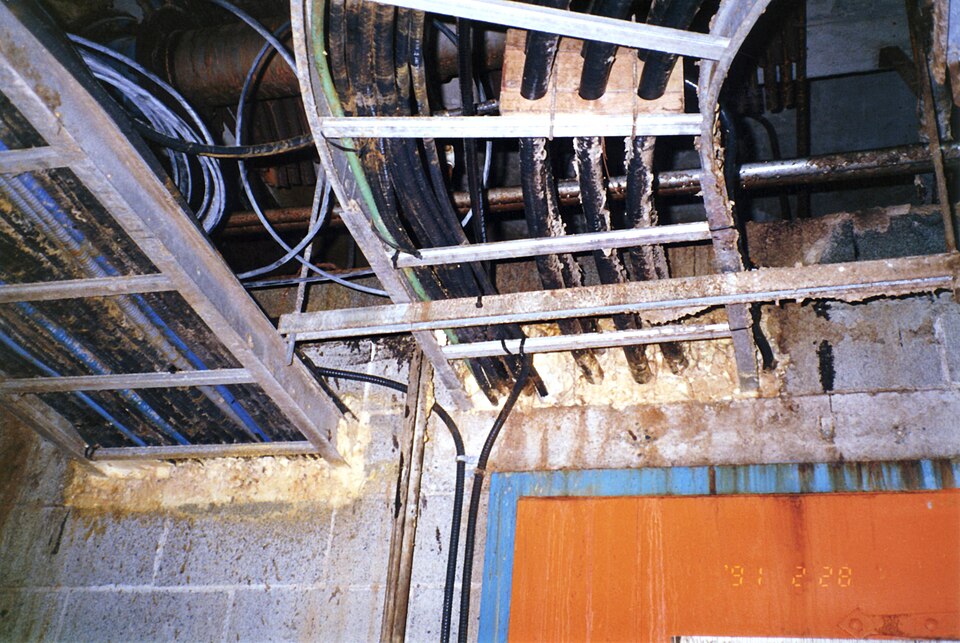
Fire and building codes shape how structures resist ignition, limit spread, and support safe egress during emergencies. This category bundles analysis of code text, adoption timelines, enforcement realities, and practical implications for design, retrofit, and operations. We focus on the intersection of policy, science, and field practice so readers can translate research into real-world decisions.
Core topic clusters include construction standards for fire resistance and envelope integrity, the way noncombustible barriers and fire barriers influence incident severity, how glazing and envelope choices impact glazing performance and ignition risk, and the role of fire testing, verification, and enforcement in shaping outcomes. We also explore urban and high-rise considerations, risk assessment frameworks for occupied buildings, and how the latest research on smoke movement, ignition probability, and ignition sources informs code updates. Nearby threads on emergency management, fire service operations, and wildfire preparation provide practical context for these codes in the field.
Readers will see analyses of how specific jurisdictions implement model codes, examples of code-driven design choices, and the tradeoffs that facilities managers and code officials face when balancing life safety with functional requirements. This is a place to understand how building envelopes, fire barriers, protection systems, and occupant safety standards converge in the pathway from concept to reality. We also look at how new materials, glazing technologies, and compartmentation strategies are integrated into code language and compliance proofs.
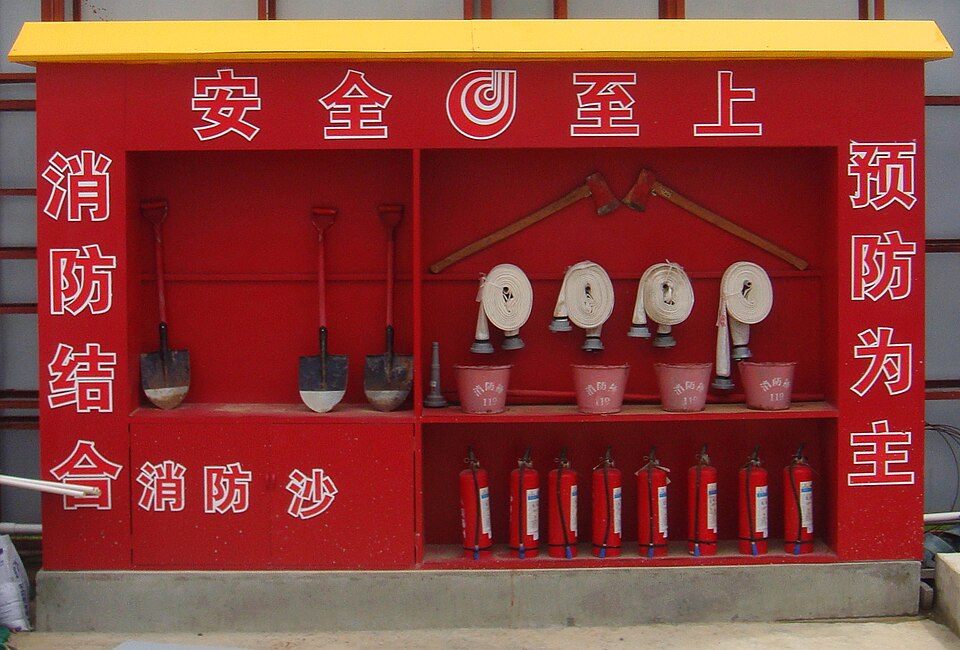
Articles here typically span the technical specifics of fire and building codes, with emphasis on practical interpretation for engineers, architects, facility managers, and fire safety officers. Expect thoughtful exploration of how code language translates into design choices and operational plans. The discussion often touches on the balance between the documented evidence base and the regulatory framework that governs construction, retrofit, and ongoing maintenance.
Concrete subtopics include the impact of building envelope performance on fire spread, non‑engineered vs engineered barriers in mixed-use facilities, glazing selection under high hazard scenarios, the relationship between code requirements and incident severity, and the role of smoke alarms and detection systems in code compliance. We also examine policy implications of glazing standards in high-rise environments, the evolution of fire resistance ratings, and the interplay between fire safety codes and emergency response expectations.
While our audience is international, several country-specific realities inform how codes are applied and enforced. In the United States, state and local amendments matter as much as the International Building Code (IBC) and NFPA standards. Readings frequently reference mixed-use corridor configurations in urban centers like Chicago, New York, or Los Angeles, where fire barrier continuity and door assemblies are scrutinized under time-sensitive inspection regimes. In practical terms, expect discussion of AHJ (authority having jurisdiction) processes, plan review timelines, and common permit practices in urban counties and municipal departments. For readers outside the US, we translate the same principles into comparable contexts: protection objectives, envelope integrity, and life-safety strategies that any city, large or small, would recognize in principle.
Pricing and procurement context in this arena typically involves standard construction budgets and equipment costs in USD. When gear and training are discussed, we reference widely known suppliers and programs in the discipline, such as certified fire-resistant glazing options from major manufacturers, smoke alarm systems from national vendors, and training curricula offered by recognized fire service organizations. This ensures concrete, actionable budgeting guidance for readers regardless of locale.

| Feature/Option | Typical Code Influence | Practical Considerations | Representative Example (US) |
|---|---|---|---|
| Non‑engineered fire barriers | Influence on compartmentalization and occupancy safety | Cost, maintenance, retrofit feasibility, implications for mixed-use layouts | Explainer: Non-Engineered Fire Barriers in Mixed-Use Facilities |
| Fire‑resistant glazing | Policy implications for high‑rise safety and smoke management | Weight, structural performance, glare, solar heat gain | Policy Implications of Fire-Resistant Glazing in High-Rise |
| Envelope assembly continuity | Role in delaying fire spread and maintaining tenable conditions | Interface with HVAC systems, access for inspection | What the Recent Research Says About Smoke Alarm Performance |
| Fire barrier vs fire resistance ratings | Defines required duration of protection for structural elements | Material availability, installation complexity, inspection depth | Explainer: The Role of Building Envelope in Fire Spread |
The codes you read here directly affect how buildings are designed, tested, and operated. A change in glazing standards or barrier continuity can alter fire load paths, evacuation times, and the reliability of detection and suppression systems. By interpreting code language alongside current research on ignition sources, smoke movement, and perimeter vulnerabilities, we help facilities teams and designers anticipate what is feasible within project budgets while keeping safety front and center. This is not merely about compliance; it is about shaping outcomes in the moments that matter most during a fire event.
From how building envelopes influence fire spread to the nuances of smoke alarm performance, these pieces anchor the conversation in practical terms. Expect thoughtful analysis that connects theory to field outcomes, with concrete examples that matter to engineers, code officials, and safety officers alike.
IBC, IFC, NFPA standards, and how codes evolve after major losses.