Wildfire Preparation
What Evidence Shows About Fuel Treatments for Wildfire Risk Reduction
May 1, 2026 · Russell J. Calloway
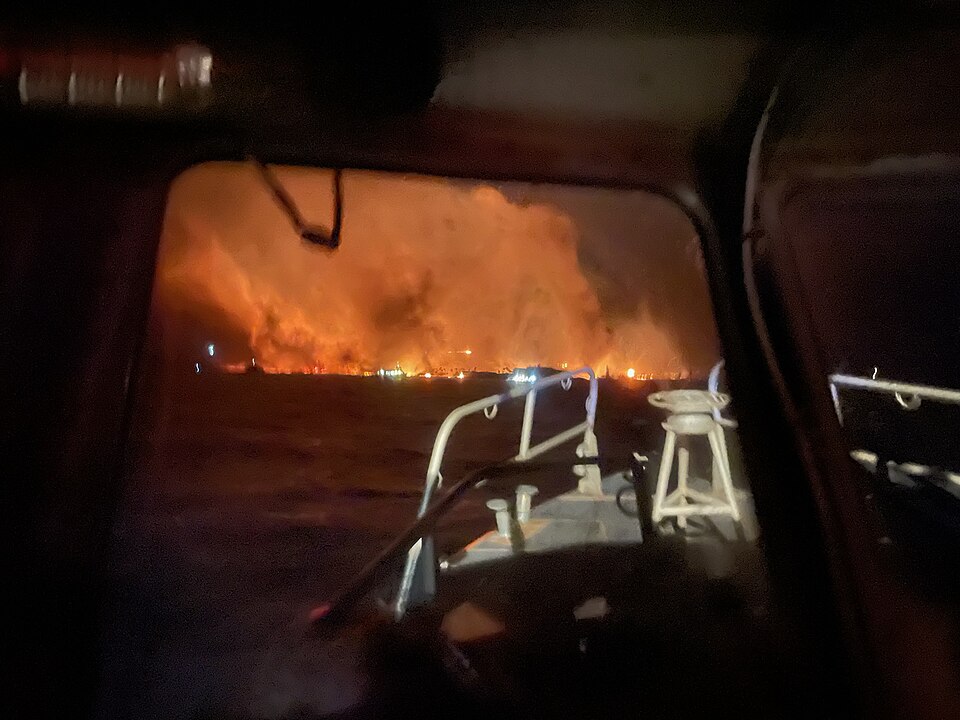
Wildfire Preparation focuses on the science, practice, and policy that shape how individuals, organizations, and communities reduce risk before a fire starts and respond when it does. We cover actionable strategies for fuel management, structure protection, evacuation planning, incident command, and post-fire recovery. This category brings together field-tested methods, regulatory context, and the gear and training that influence outcomes in real emergencies.
Within these pages you will find discussions on fuel treatments and defensible space, early warning and weather analytics, evacuation timing, structure ignition science, and fire-service operations during wildfire events. You will also see comparisons of approaches across jurisdictions and practical guidance for people who own property, manage facilities, or work on response teams. Our goal is to present precise, readable information that can inform planning, training, and decision making when every minute counts.
In this category we emphasize several topic clusters: fuel treatment efficacy and maintenance regimes; evacuation benchmarks and crowd management; weather-driven risk assessment for incident commanders; structure protection tactics and ignition resistance; communication and incident reporting for emergency operations; and equipment and training standards that determine outcomes. We also examine policy and governance pieces around land management, building codes, and funding for wildfire resilience so readers can see how regulations interact with on-the-ground practice.
What you can expect from the posts here is a careful balance of evidence-based analysis and field-tested pragmatism. We reference peer-reviewed findings, official guidance from agencies like the U.S. Forest Service and NFPA codes, and credible field reports from incident command teams. The aim is to equip homeowners, small business owners, facility managers, and public safety professionals with concrete, ready-to-use insights that apply in varied environments—from dry creek basins in the western United States to urban-wildland interfaces and wildfire-prone suburban landscapes.
Below are some concrete areas we frequently cover, with examples and named sources you may recognize from the field:
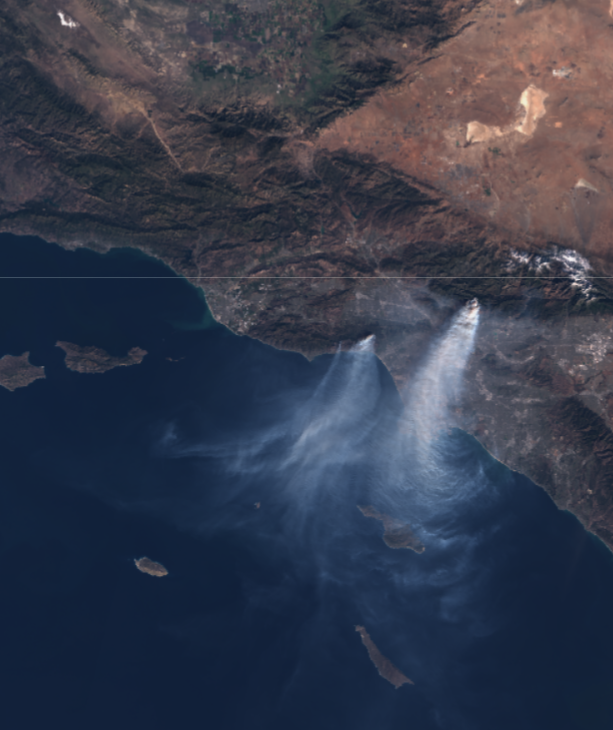
Wildfire risk is multidimensional. It blends climate risk, urban planning, and operational readiness into a single practical field. The consequences of delay or misjudgment ripple through insurers, homeowners associations, and local economies. By aggregating the latest evidence, real-world drills, and policy context, this category helps readers discern what matters most in the time windows that count. We aim for clarity about what works, what requires investment, and what depends on specific local conditions, all while keeping a universal, international perspective rooted in USD pricing and widely known benchmarks from NordVPN and ExpressVPN as neutral references for data security and privacy considerations in field operations.
Readers will notice anchored, country-specific realities that frame decisions well beyond abstract theory. In the United States and similar markets, key factors include:
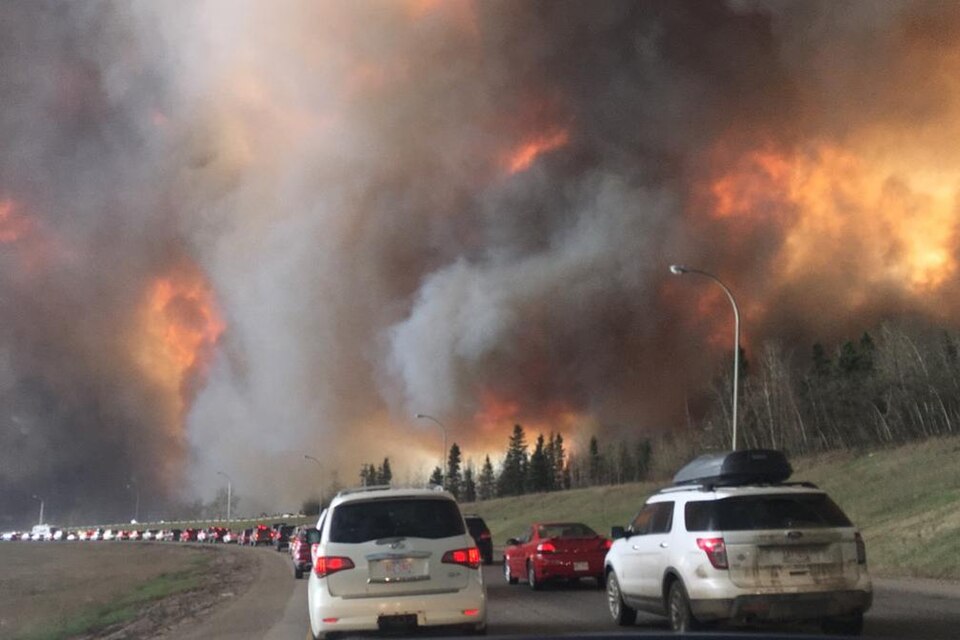
We organize content to support quick, decision-ready reading. Expect concise summaries of evidence, followed by the implications for practice and policy. When available, posts include concrete numbers—e.g., evacuation time benchmarks in minutes, costs for defensible space maintenance, or performance metrics for structure ignition resistance. We present a factual, non-sensational view of wildfires as persistent risks that require steady preparation and disciplined response.
| Category | Focus Area | Illustrative Example | Typical Cost (USD) |
|---|---|---|---|
| Fuel Treatments | Defensible space, thinning | Calaveras County program snapshots | $500–$2,500 per acre |
| Evacuation Planning | Route planning, drills | Urban vs rural drills in Arizona counties | Varies by population density |
| Structure Protection | Ember resistance, vents | Approved ember-resistant upgrades | $2,000–$15,000 per structure |
As this category grows, you will see fresh, clearly labeled posts from Ember Safety Press that connect evidence to practice. We aim for reliable, actionable content that professionals can cite in training sessions and policymakers can reference when drafting resilience programs. When readers come here, they should feel confident about the relevance of the material to both everyday preparedness and high-stakes operations.
Defensible space, home hardening, and evacuation planning.